2026 Subaru Outback Wilderness Review: The Ultimate Packaging Marvel & Off-Road Champ
2026 Subaru Outback Wilderness Review: The Ultimate Packaging Marvel & Off-Road Champ
Suggested Price: Est. $43,000 USD
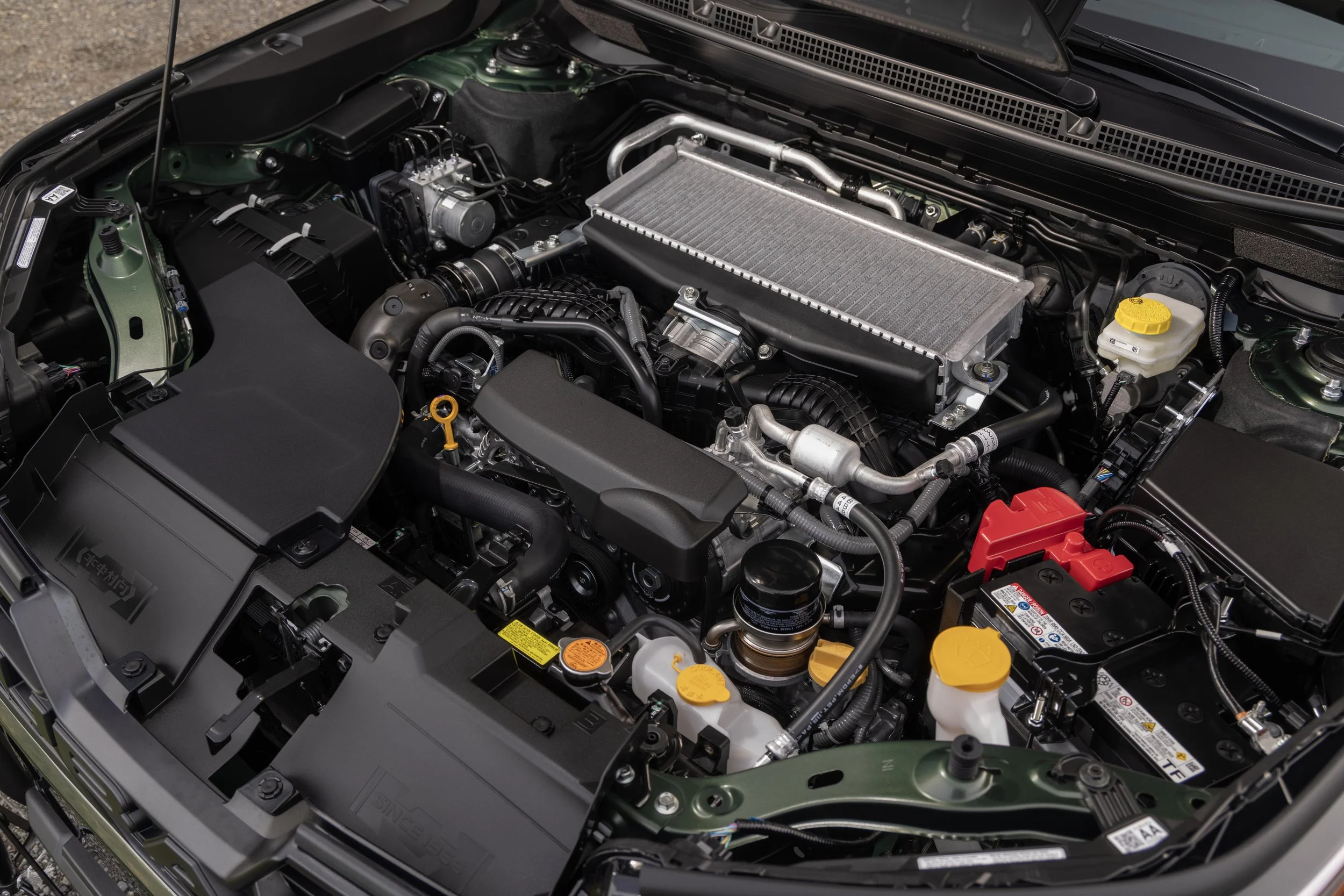
Engine Specs: 2.4L Turbocharged SUBARU BOXER® 4-Cylinder
Horsepower/Torque: 260 hp / 277 lb-ft
Fuel Efficiency (Observed): 21 MPG
— Words by Yousef Alvi : Photography : Manufacturer
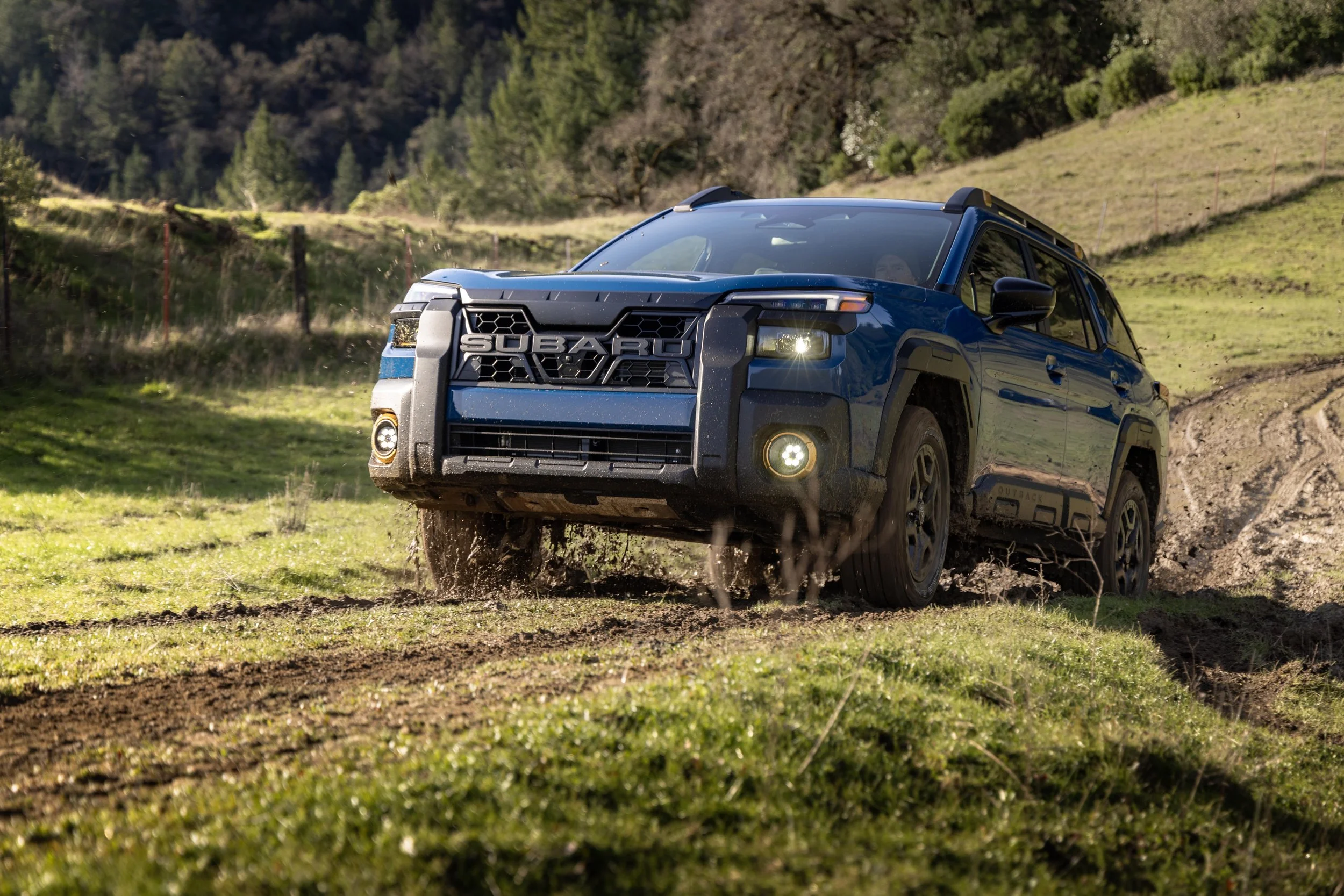
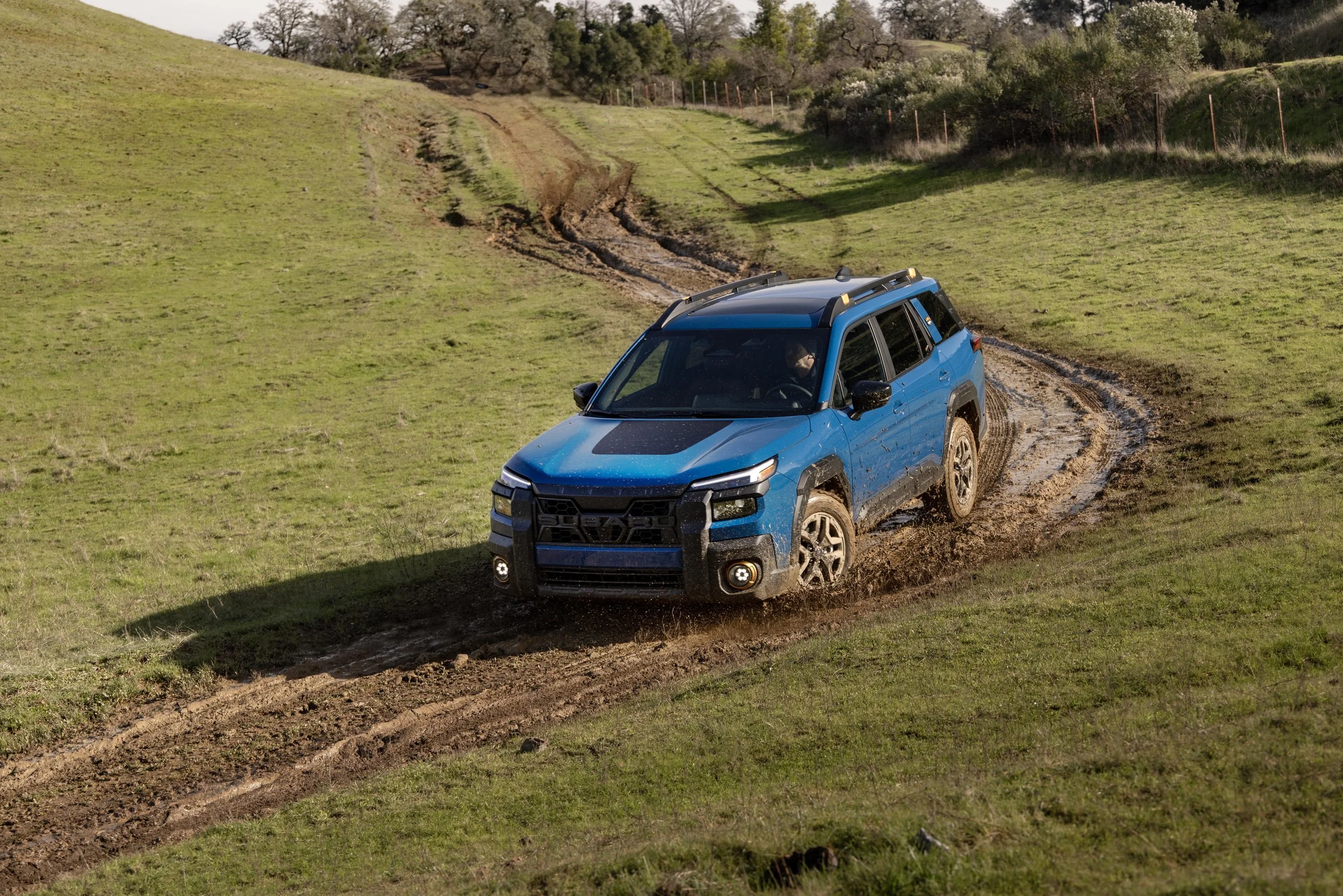
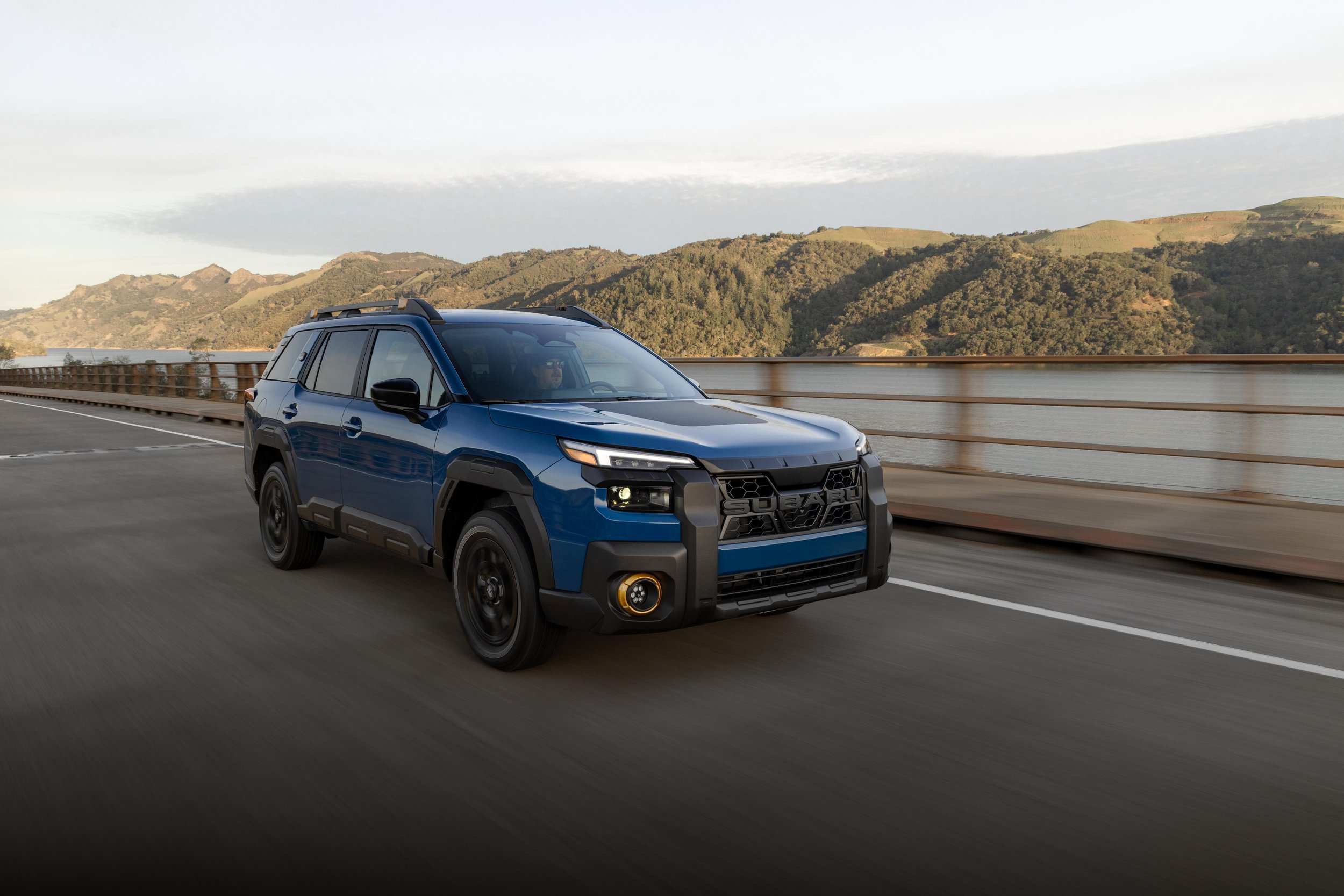
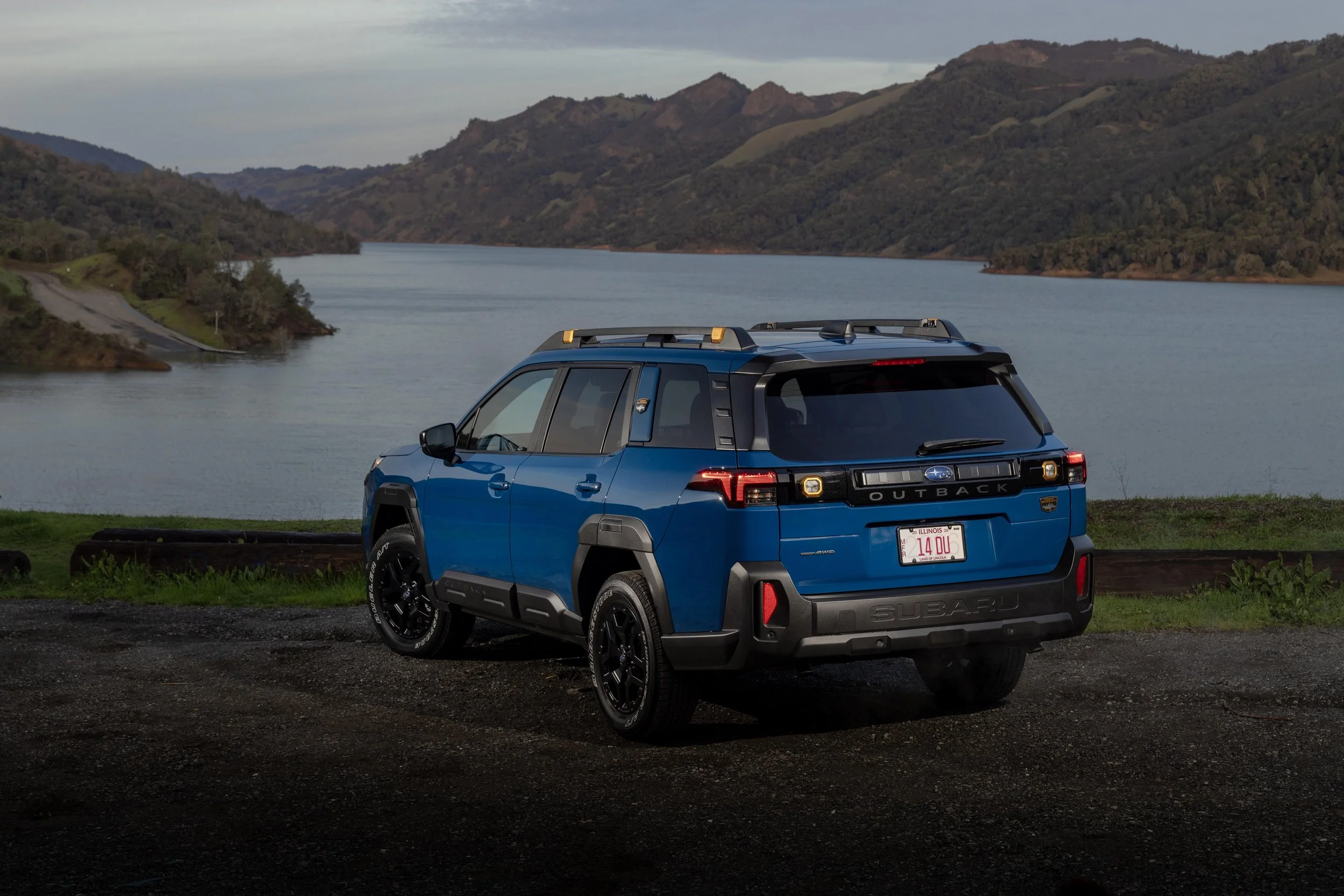
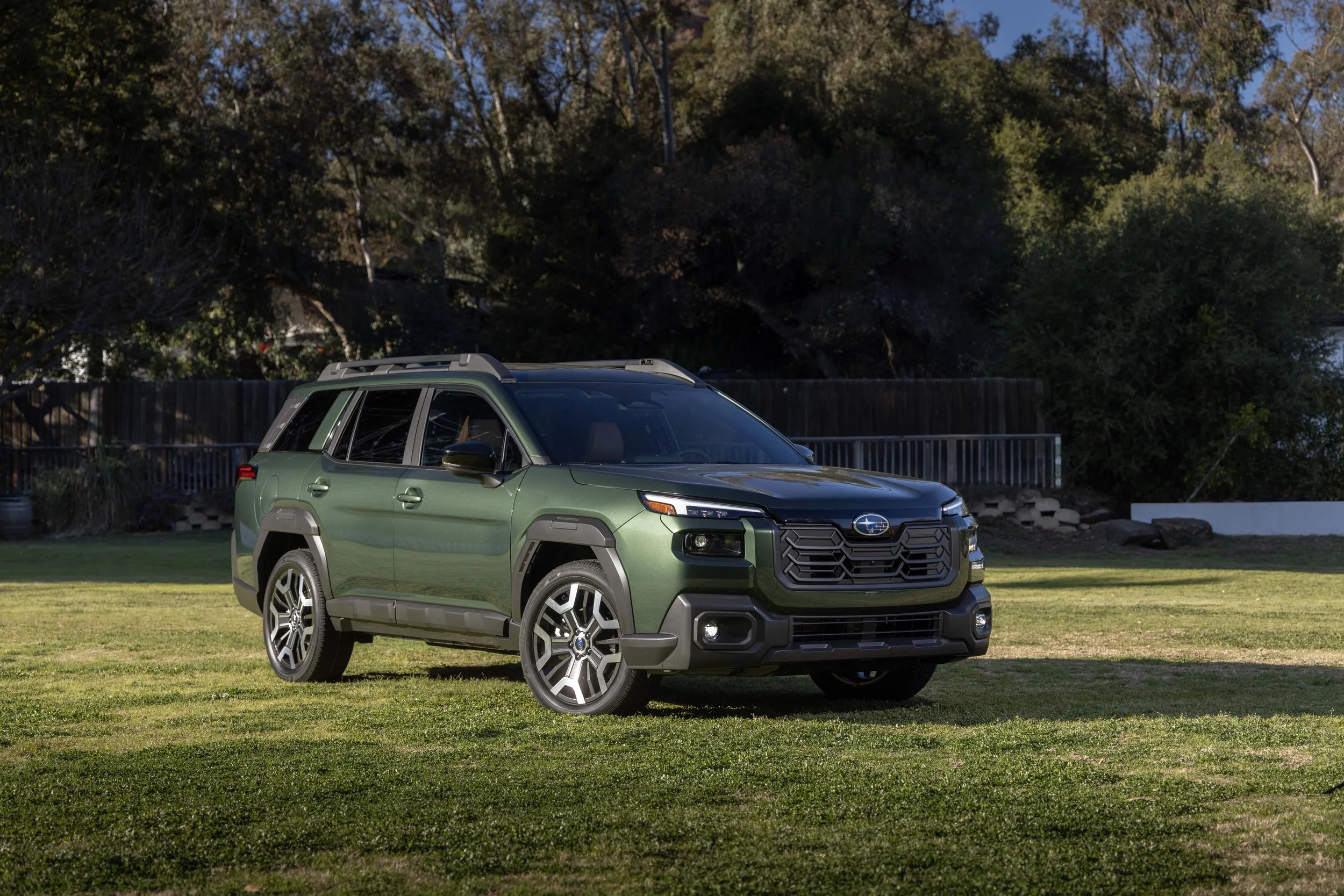
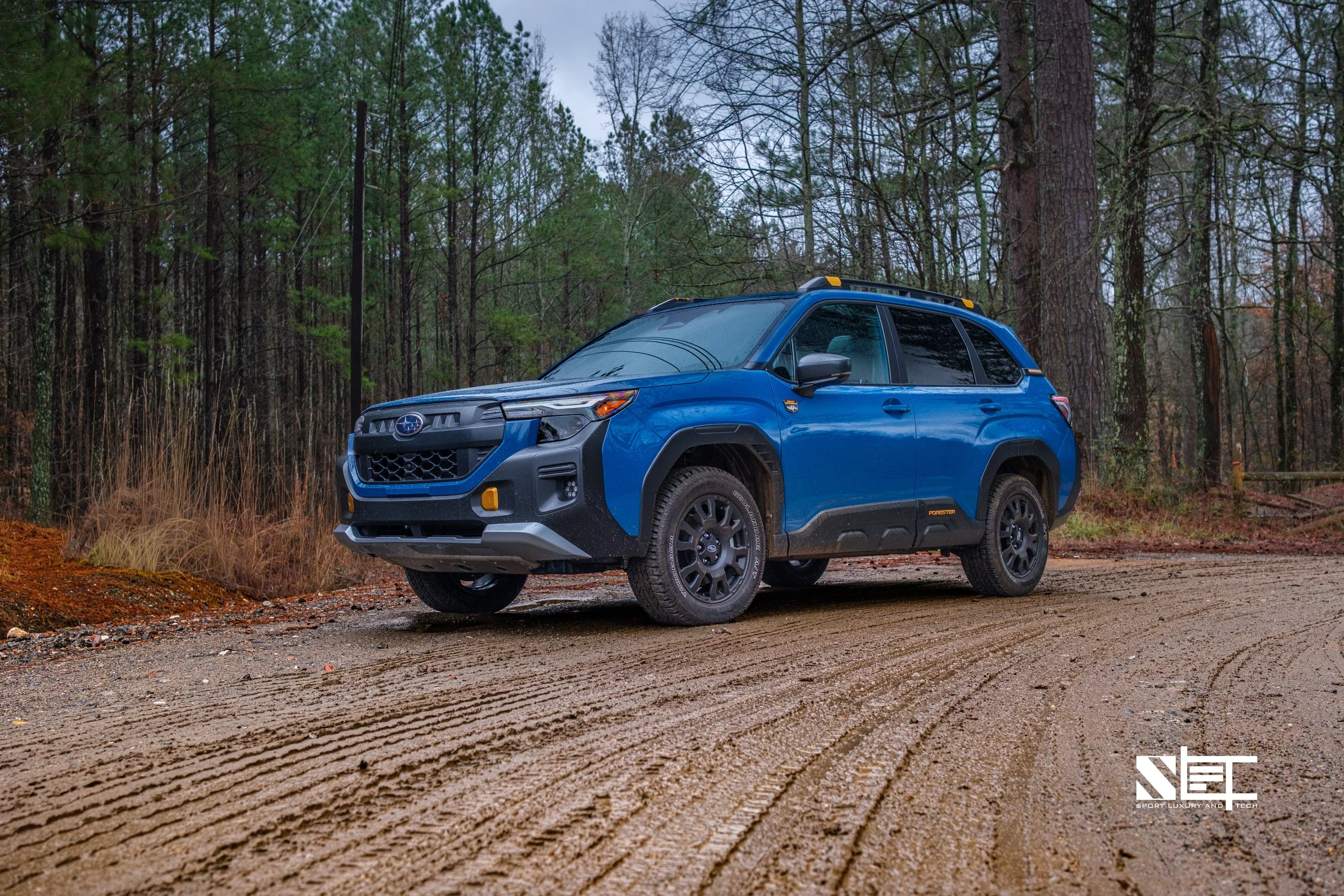
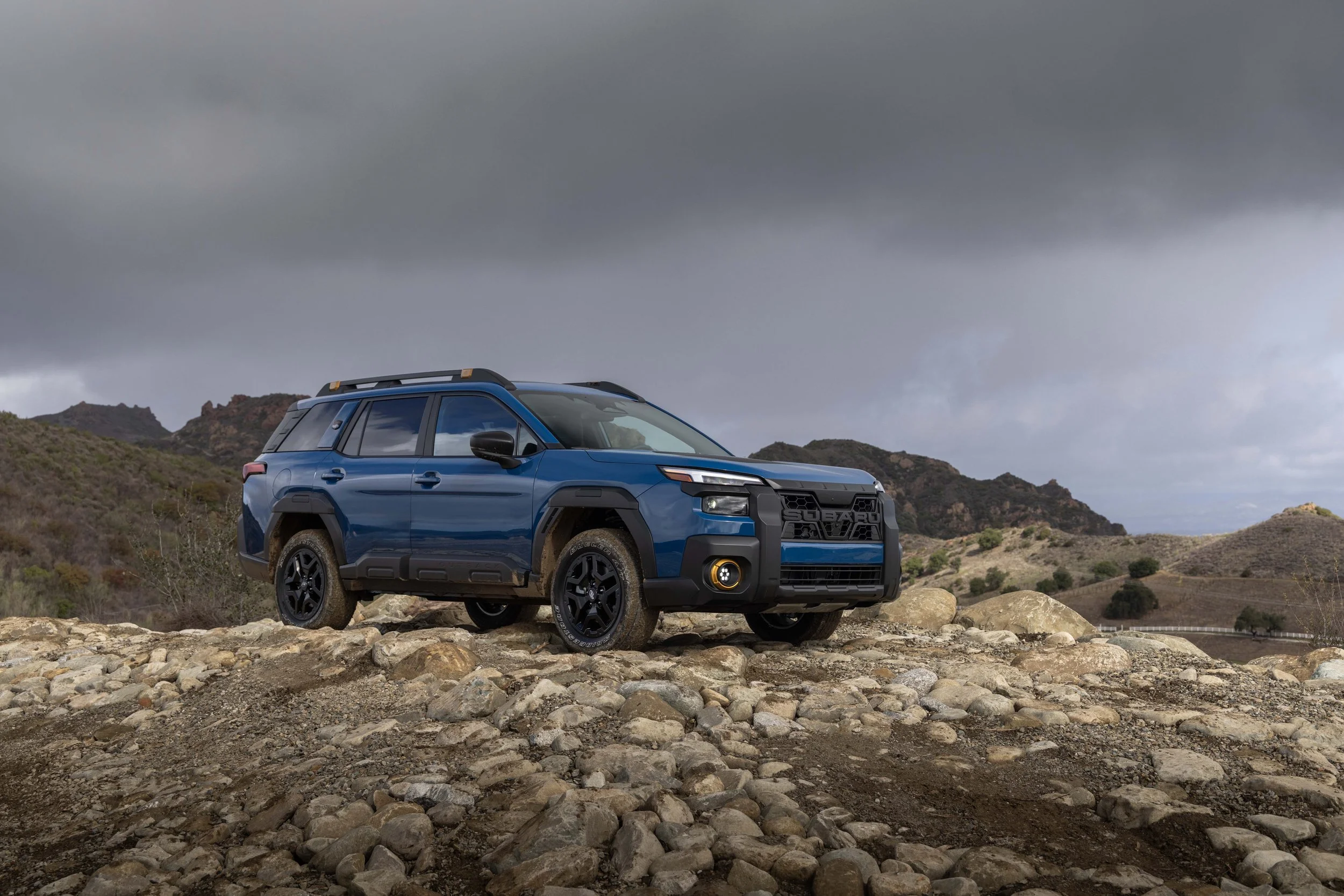
Say farewell to the standard, polished crossover aesthetic of the regular Outback XT. While this new generation retains some identifying styling cues, the Wilderness package takes the tall, straight greenhouse and douses it in unapologetic, heavy-duty adventure armor. Yes, it’s an evolution of Subaru’s rugged off-road ethos for the buying masses, and it’s built to face the real world head-on. In a market dominated by soft-roading crossovers trying too hard to look tough, Subaru didn't just play dress-up—they built a proper trail-conquering machine with the 2026 Subaru Outback Wilderness.
Bridging the Gap: The Ultimate Automotive Amphibian
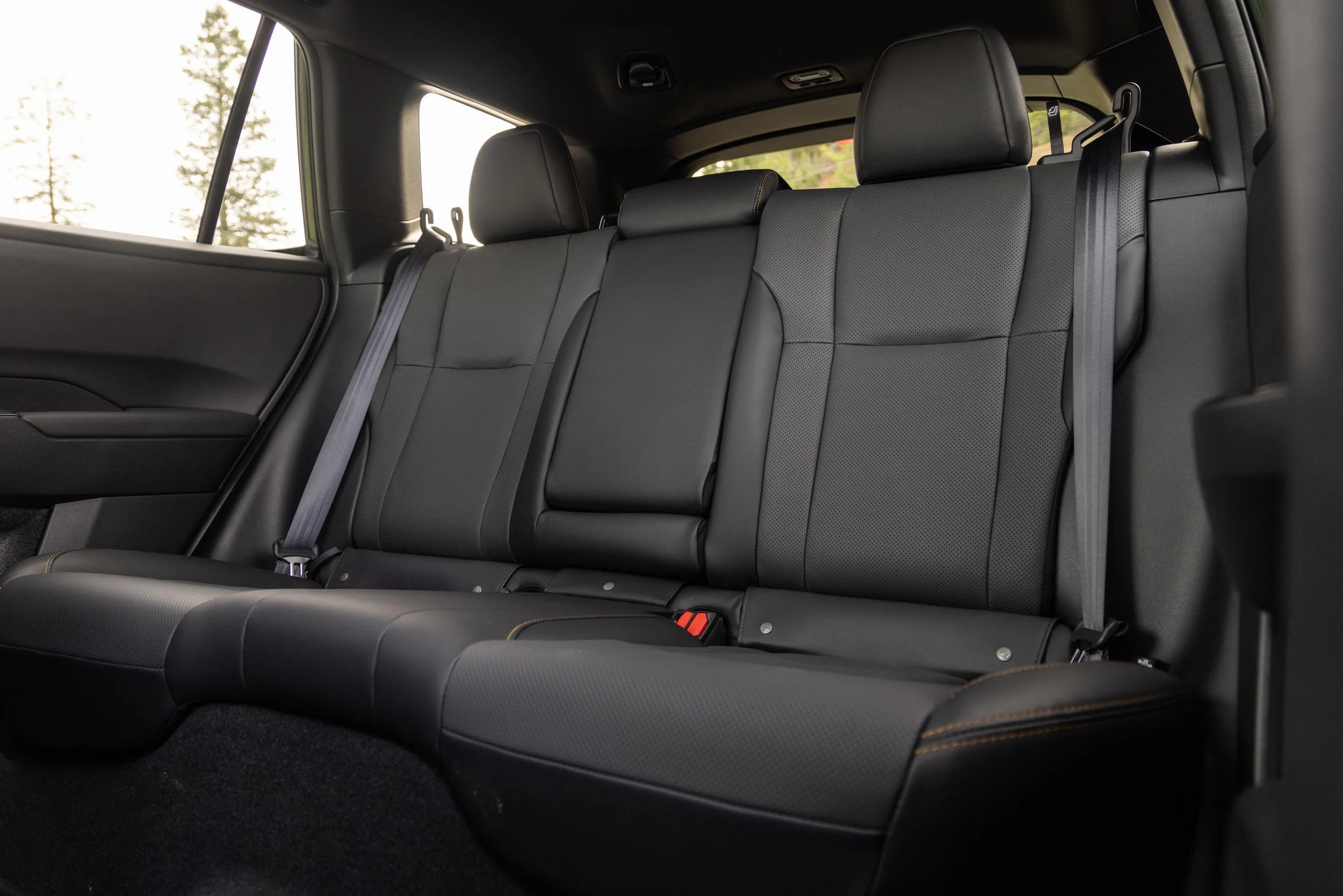
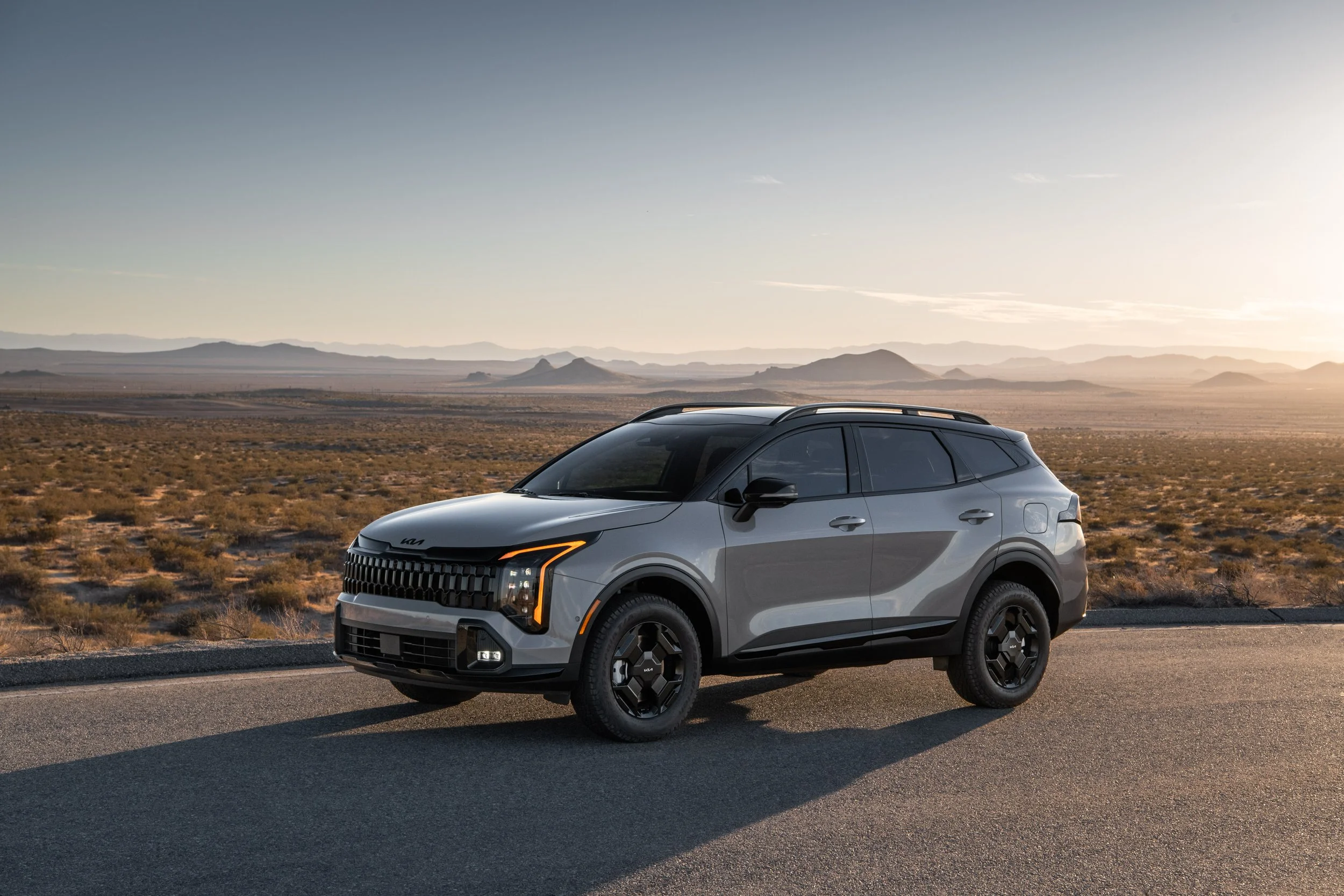
This brings us to the Outback’s greatest magic trick: its complete refusal to stay in a designated marketing lane. While compact crossovers like the Toyota RAV4 and Honda CR-V leave you playing aggressive cargo Tetris every time you pack for a weekend camping trip, traditional midsize SUVs often feel like you’re trying to parallel park a cruise ship in a cramped Starbucks drive-thru. The Outback sits precisely in that messy, brilliant middle ground. It gives you the manageable exterior footprint of a smaller crossover while quietly packing interior dimensions that completely shame vehicles costing thousands more. It is an automotive amphibian—equally comfortable swimming in compact pricing waters while hunting for space in true midsize territory.
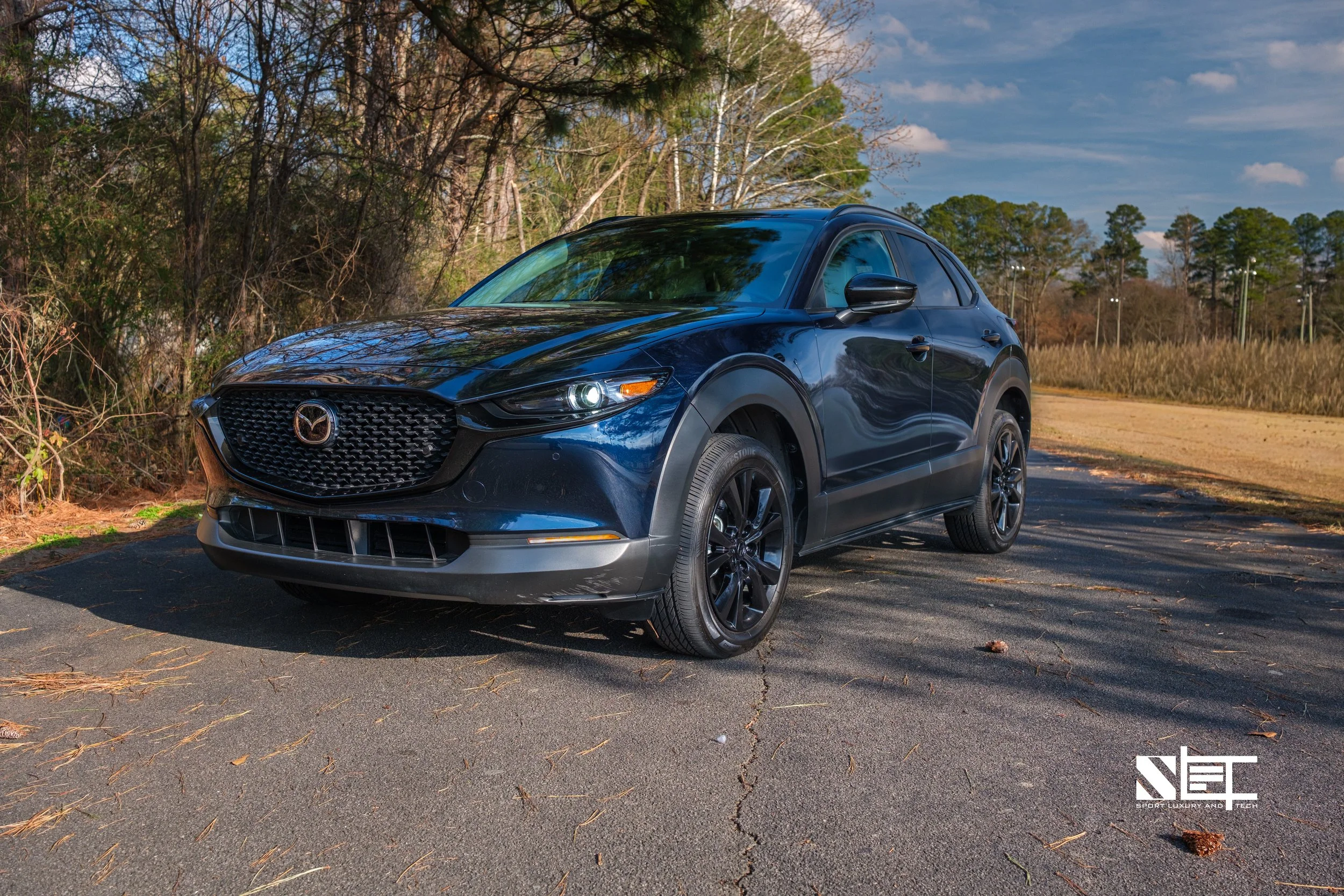
The interior room is an absolute triumph of packaging and engineering might. Dimensionally, it plays in a unique territory: it is significantly larger, longer, and more spacious than compact segment benchmarks, giving passengers massive second-row legroom where an average-sized adult can easily cross their legs with room to spare. Yet, when you look at vehicles matching its physical footprint and hauling capabilities—like true midsize SUVs such as the Toyota Highlander, Honda Passport, or Mazda CX-70—the Outback is significantly less expensive, often undercutting them by thousands of dollars while still delivering two-row adventure utility that leaves smaller compacts looking like toys.
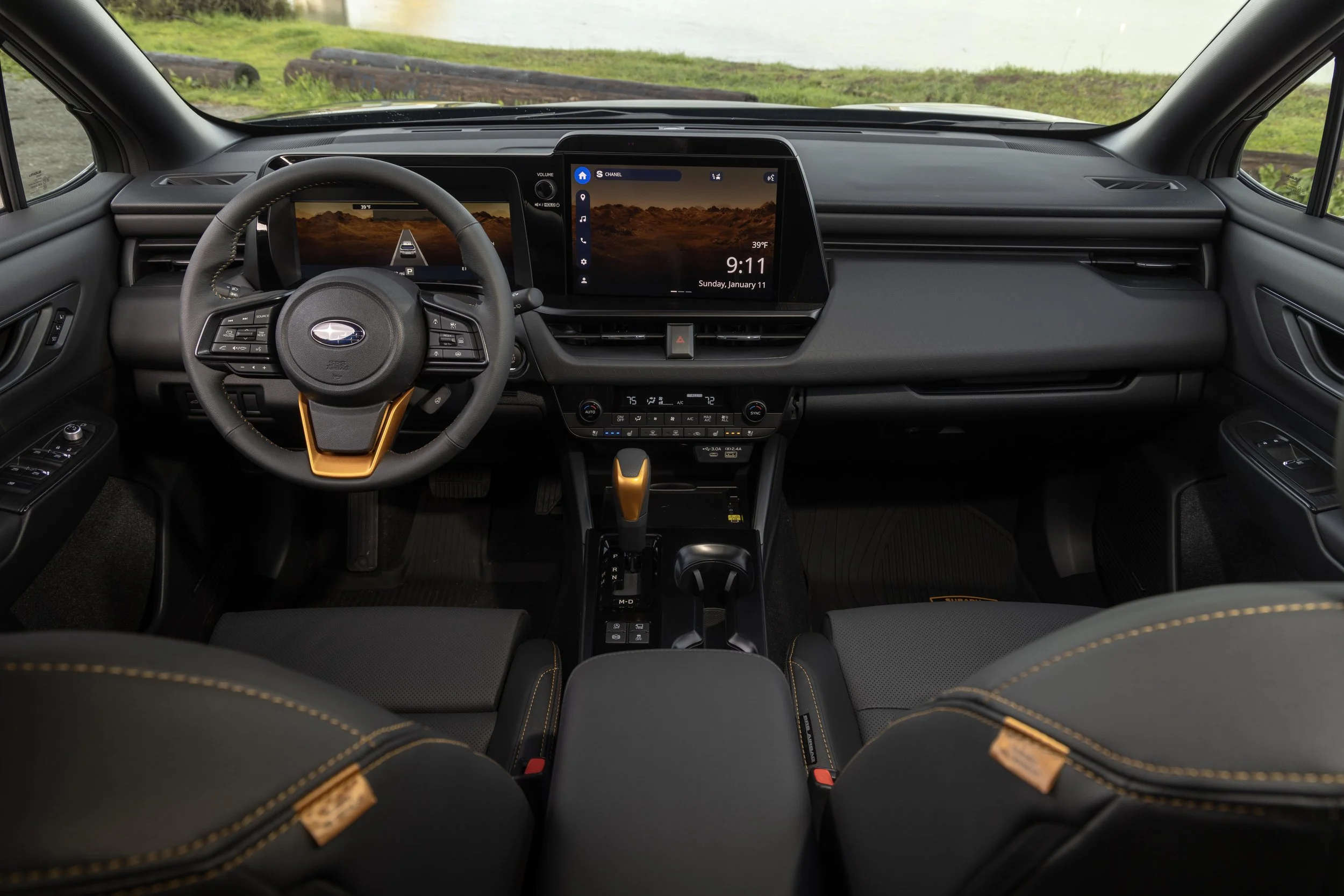
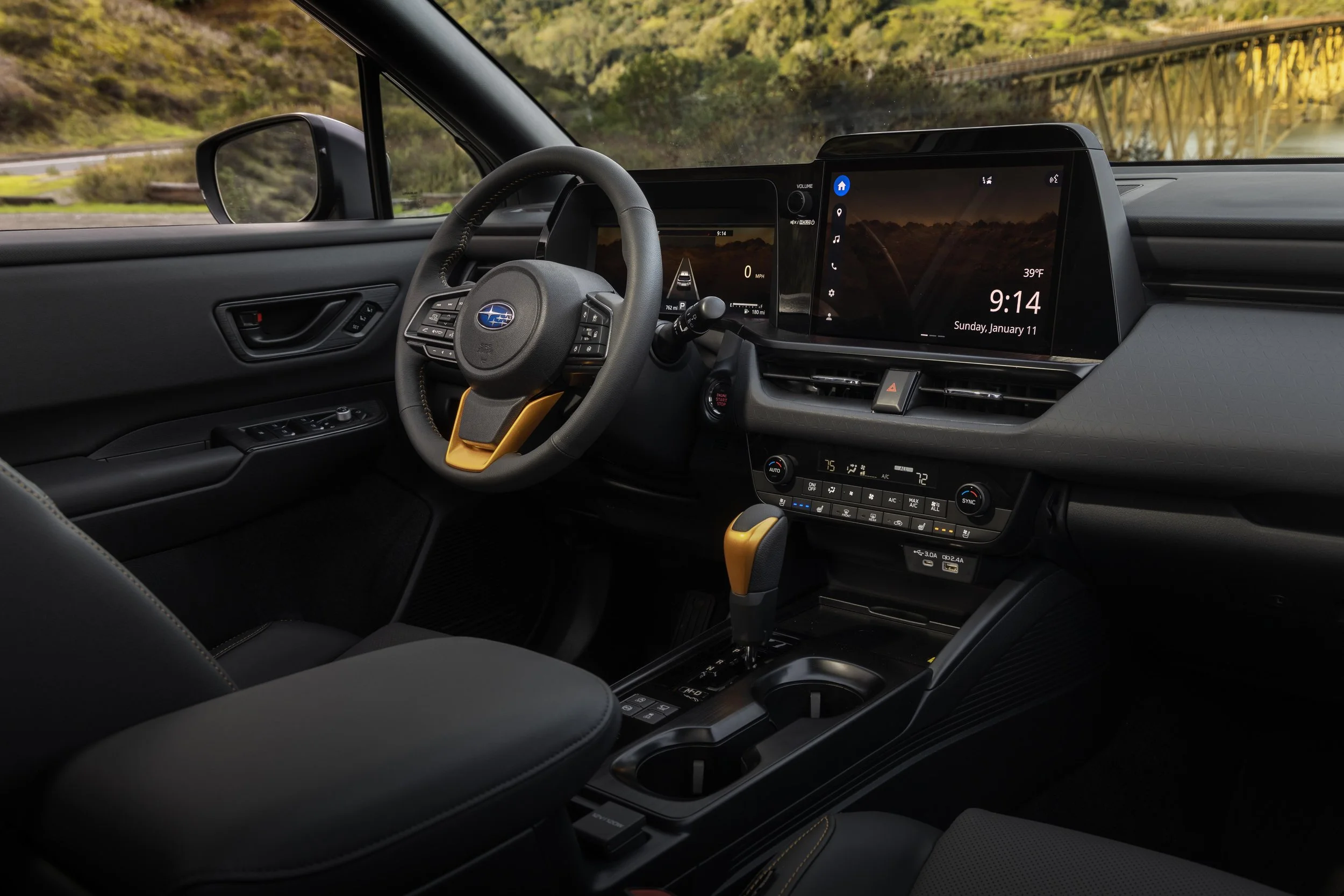
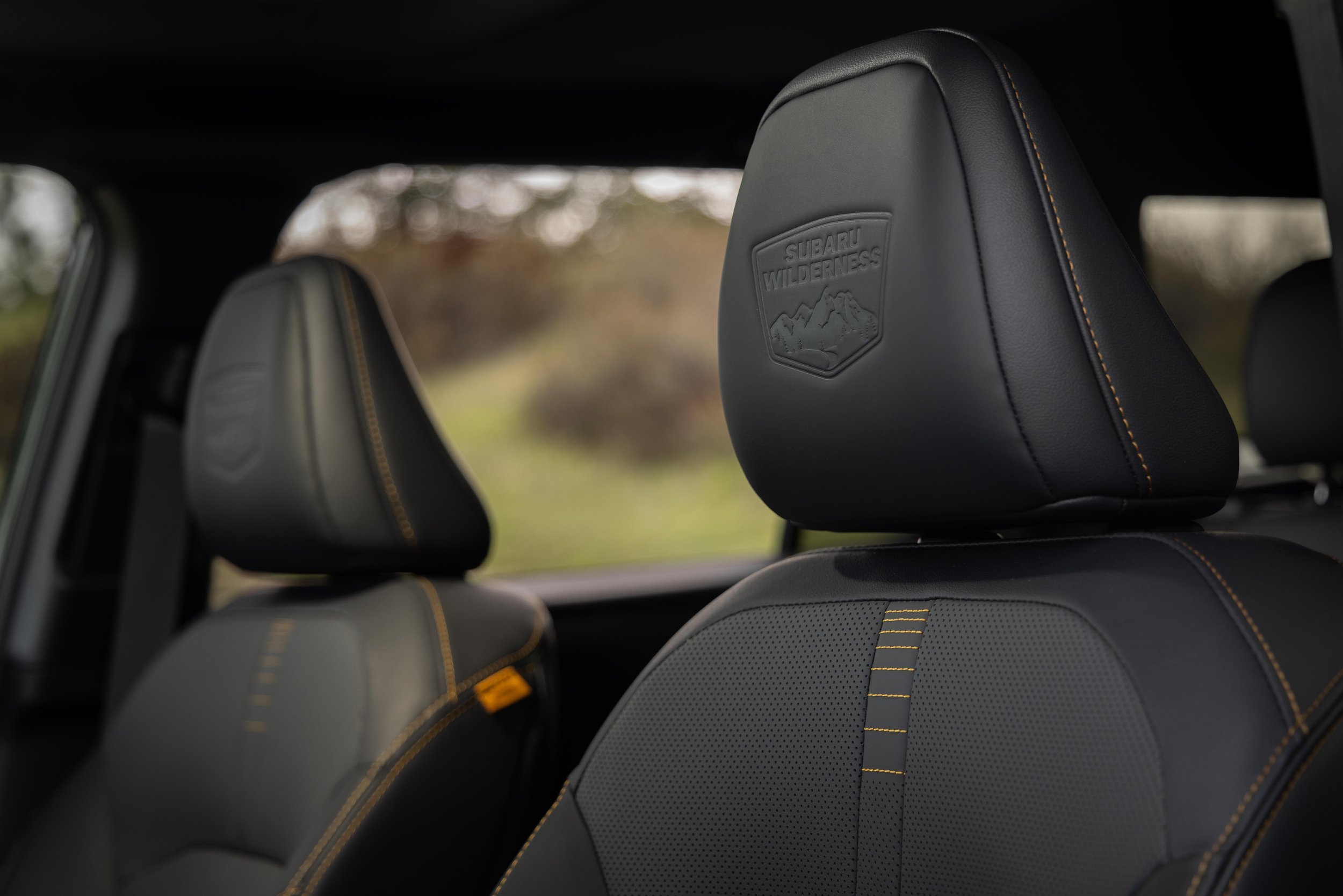
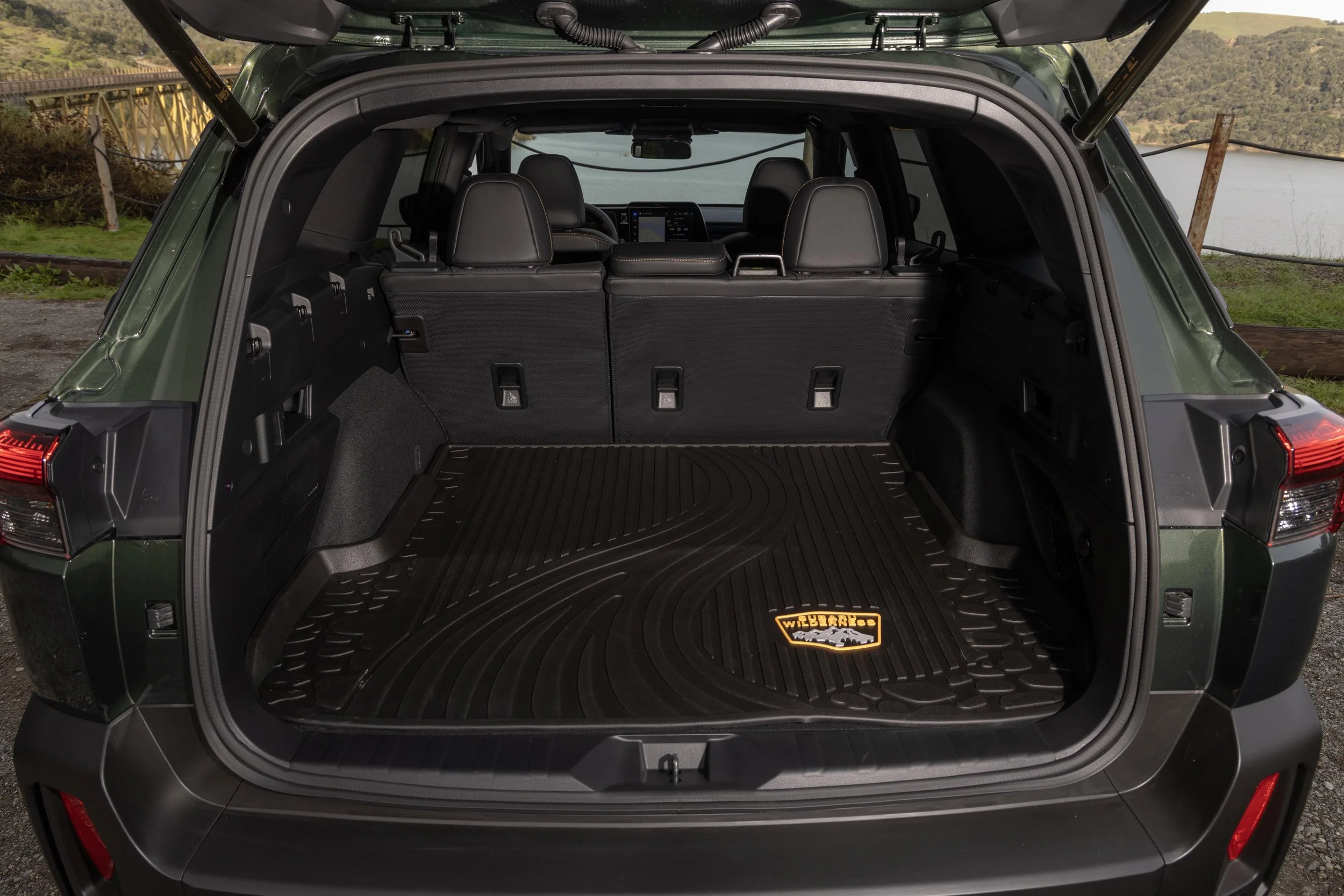
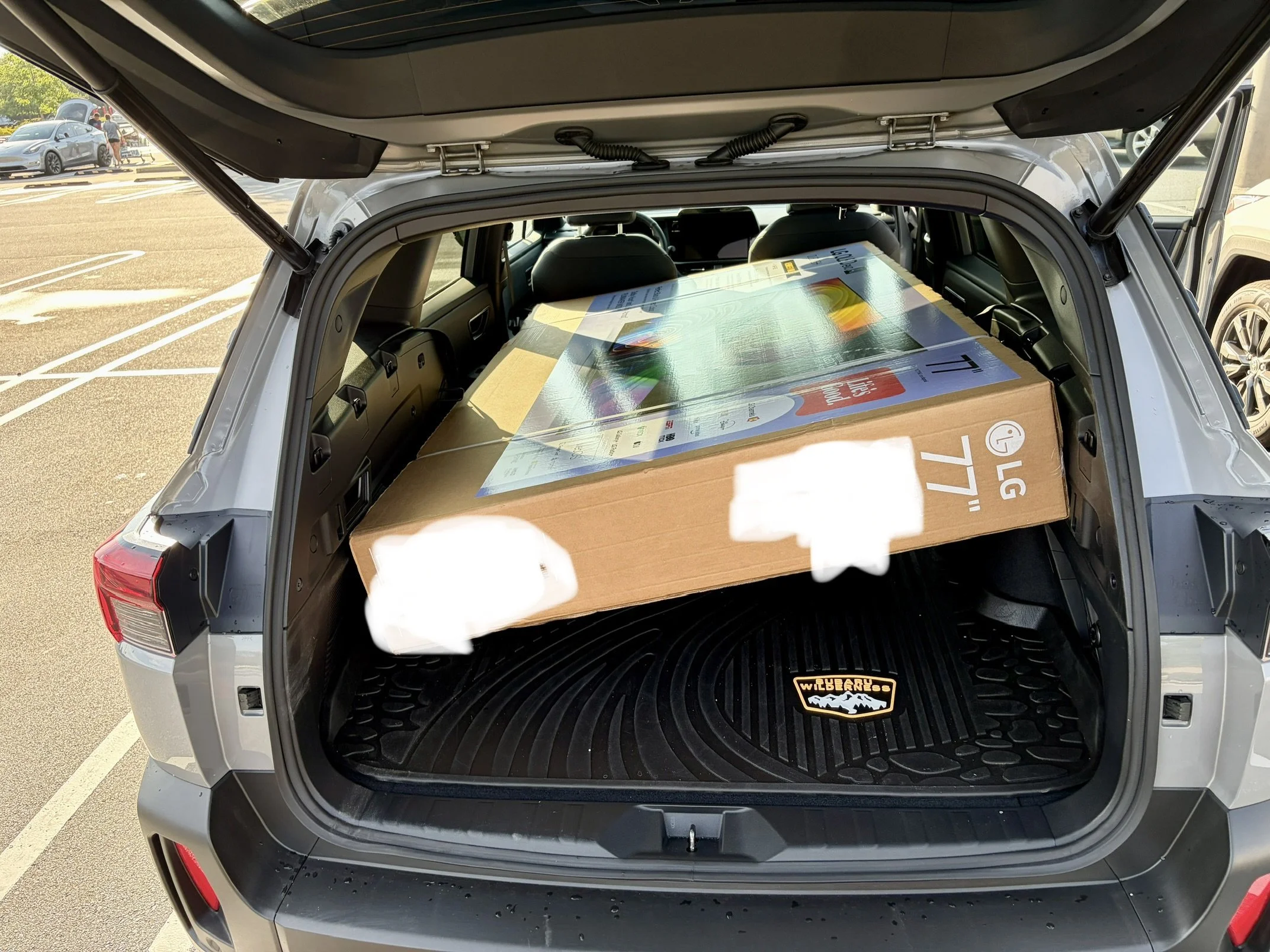
Subaru certainly didn't sacrifice cargo room for passenger comfort either. The rear cargo room of the 2026 Outback Wilderness can be best described as…. err… huge! It’s shockingly, mind-bafflingly, spectacularly a packaging marvel: it will swallow a massive 77-inch flat-screen TV box flat on its floor with zero issue. While trying to load bulky gear or large furniture into a typical compact crossover often feels like an exercise in aggressive Tetris, the Outback Wilderness treats oversized cargo with absolute contempt. Complete with all-weather StarTex water-resistant upholstery and floor liners, it provides class-defying utility.
| Vehicle Model | Starting MSRP (Est.) | Length (inches) | Wheelbase (inches) | Width (inches) |
|---|---|---|---|---|
| 2026 Subaru Outback Wilderness | $43,000 | 192.3 in | 108.1 in | 75.8 in |
| 2026 Toyota Highlander | $46,765 | 194.9 in | 112.2 in | 76.0 in |
| 2026 Honda Passport | $46,200 | 191.5 in | 113.6 in | 79.4 in |
| 2026 Mazda CX-70 | $42,450 | 201.6 in | 122.8 in | 84.9 in |
| Vehicle Model | Passenger Volume | Front / Rear Legroom | Cargo Space (Seats Up / Max) |
|---|---|---|---|
| 2026 Subaru Outback Wilderness | ~111.1 – 112.3 cu ft | 43.0 in / 39.5 in | 34.6 cu ft / 80.5 cu ft |
| 2026 Toyota Highlander | ~141.3 cu ft (3-row) | 42.0 in / 38.7 in (2nd row) | 16.0 cu ft / 84.3 cu ft |
| 2026 Honda Passport | ~119.1 cu ft | 41.1 in / 40.9 in | 44.0 cu ft / 83.8 cu ft |
| 2026 Mazda CX-70 | ~114.2 cu ft | 41.7 in / 39.4 in | 30.9 cu ft / 75.3 cu ft |
The Off-Road Package Breakdown: How the Wilderness Stacks Up
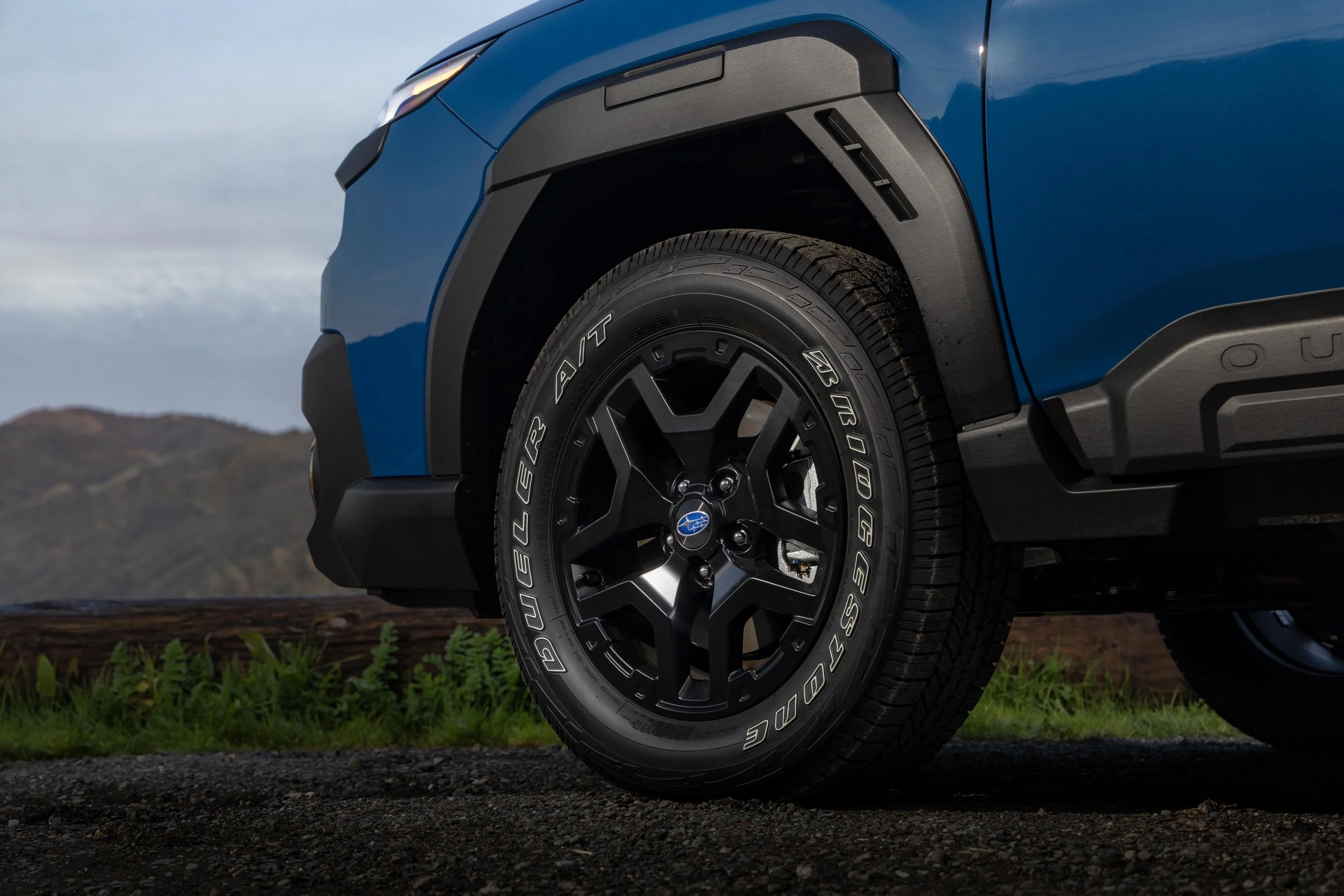
When you examine what the Wilderness badge actually bestows upon the Outback, it’s a masterclass in functional hardware rather than superficial appearance packages. The Wilderness recipe adds a substantial bump in ground clearance (reaching nearly 9.5 inches), knobby all-terrain rubber, a front skid plate, reinforced roof rails capable of holding a roof tent under load, and a shorter final drive ratio (4.44:1) paired with dual-function X-MODE for serious low-speed rock crawling.
How does that stack up against the competition?
• Compact Rivals (RAV4 Woodland & CR-V TrailSport): The Toyota RAV4 Woodland and Honda CR-V TrailSport both attempt to capture the adventure demographic, but they lean heavily on cosmetic updates—bronze wheels, raised roof rails, or all-weather floor mats—while retaining stock ground clearance or modest lifts and passive dampers. The CR-V TrailSport features rugged styling and AT tires, but completely lacks specialized low-range gearing or adjustable off-road torque mapping. The Outback Wilderness utterly leaves them in the dust with actual mechanical grit, superior articulation, and intelligent adaptive damping.
• Midsize Rivals (Passport, Highlander & CX-70): Moving up to the midsize tier, the Honda Passport TrailSport is the Outback's closest ideological adversary, packing a muscular V6, robust steel skid plates, and an intelligent torque-vectoring AWD system. Yet the Outback Wilderness undercuts the Passport TrailSport by roughly $3,700 (starting around $44,995 versus the Honda's $48,650), giving you dedicated off-road hardware and adaptive suspension at a much friendlier price point. Meanwhile, the Toyota Highlander and Mazda CX-70 completely miss the mark for true off-road enthusiasts; neither offers a dedicated, trail-rated rugged trim, relying instead on street-focused tuning, lower ground clearance, and urban-biased body styling.
Ride Quality & Suspension
Moving back to the good side, the ride quality of the Outback Wilderness is genuinely class-leading for an off-road vehicle. Thanks to increased ground clearance and specifically tuned springs and dampers featuring Subaru’s intelligent "Skyhook" adaptive suspension concept, it is compliant, absorptive, and serene over washboard dirt roads. Acceleration sensors in the electronic control unit and front suspension read road and vehicle conditions in real time, actively adjusting damping forces to minimize body sway and keep the chassis flat over ruts without ever beating you to a pulp over potholes. When you look at segment mainstays like the Toyota RAV4 or Honda CR-V, neither of them offers an adaptive suspension system in their lineups, let alone on their rugged or off-road oriented trims (such as the RAV4 Woodland or CR-V TrailSport, which rely on rigid, fixed-valve passive dampers). The fact that Subaru manages to bake this level of intelligent damping comfort into a dedicated off-road trim makes the Outback an entirely superior highway cruiser and trail explorer.
Powertrain, Performance & Efficiency Showdown
When you stack the Outback Wilderness up against midsize stablemates like the Toyota Highlander, Honda Passport, and Mazda CX-70, the mechanical personalities diverge sharply. The Toyota Highlander leans heavily into efficiency with its available hybrid powertrains or a smooth turbocharged 2.4L (265 hp), paired with a traditional 8-speed automatic, though it drives much larger and feels far more sterile on a dirt trail. The Honda Passport rolls with a beefy 3.5L naturally aspirated V6 pushing 285 horsepower and a 10-speed automatic—delivering linear, old-school throttle response without any turbo lag or rubber-band CVT antics, but it suffers in fuel economy and lacks the Outback's plush ride sophistication. Meanwhile, the Mazda CX-70 brings a sporty, rear-biased driving dynamic with its eager inline-6 turbo engines and crisp automatic gearboxes, offering athletic road manners but a more confining cargo package and stiffer overall tuning. Against this trio, the Outback’s 2.4L turbo Boxer engine punches hard with its 277 lb-ft of torque, but its pairing with the CVT and quirky throttle mapping keeps it feeling raw and idiosyncratic—truly carving out its own distinct, rugged niche.
The Outback Wilderness is not without mechanical faults, though. Let’s start off with the continuously variable transmission (CVT). While it does an admirable impersonation of a traditional slushbox in daily driving—especially with the Wilderness-exclusive lower final drive ratio that improves low-speed crawling—there is no hiding its rubber band nature when you push it. For most people, that is absolutely fine; the CVT is so transparent in daily cruising that you would be hard-pressed to tell. Unfortunately, it’s paired to the potent turbo Boxer 4-cylinder engine with the infamous Subaru ECU programming. That means noticeable and dramatic turbo lag, followed by the entertaining turbo woosh when it finally spools up, and the subsequent surge to redline.
All of that dynamic character in a WRX is utterly fantastic—a fun, soulful, and responsive driving experience. But bolt that specific power delivery characteristic to a CVT-equipped lifted wagon, and it makes for an uneven, confusing, and quite maddening experience in the 2026 Subaru Outback Wilderness. The transmission logic struggles to coordinate the turbo's sudden onrush of torque, resulting in the car feeling hesitant one moment and ballistic the next on loose surfaces. The saving grace is that it only really becomes an issue at more than 70% throttle application. If you’re one of the annoyingly high percentage of people who are afraid to take your vehicle to redline and keep under 50% throttle… you’d be fine. But for idiots like me who actually want to access the 260 horsepower while climbing a steep incline, it’s frustrating. It feels like the car is actively fighting your right foot.
Our 8k mile test model achieved an ‘ok’ 21 mpg overall. Which is about 4 mpg better than our ‘green’ Outback we tested last year, which only got about 18 mpg in overall efficiency. With the mechanicals fully broken in, the fuel economy finally creeps into a slightly more tolerable bracket, though still nothing to write home about given the chunky all-terrain tires and extra aerodynamic drag.
Styling & Final Verdict
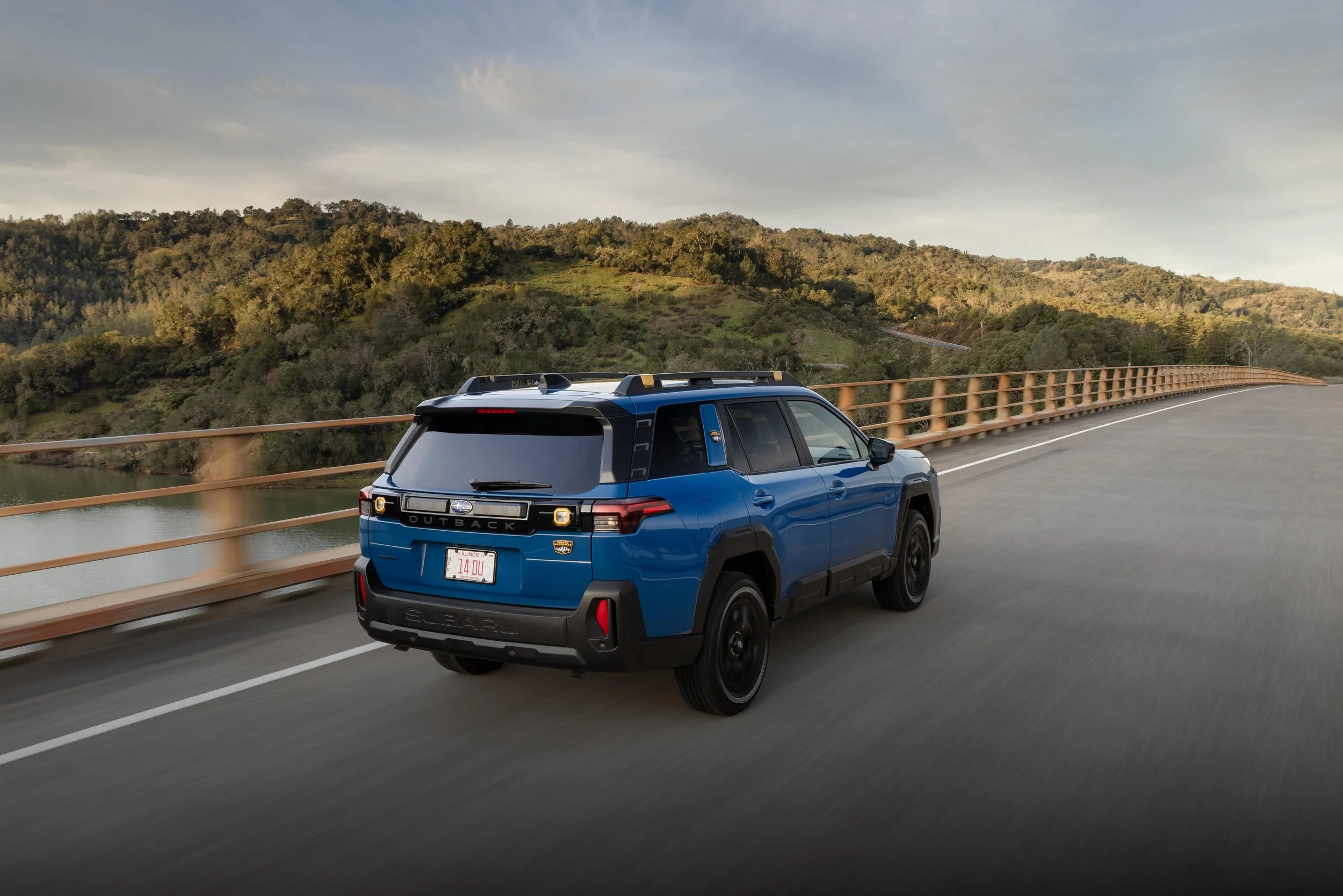
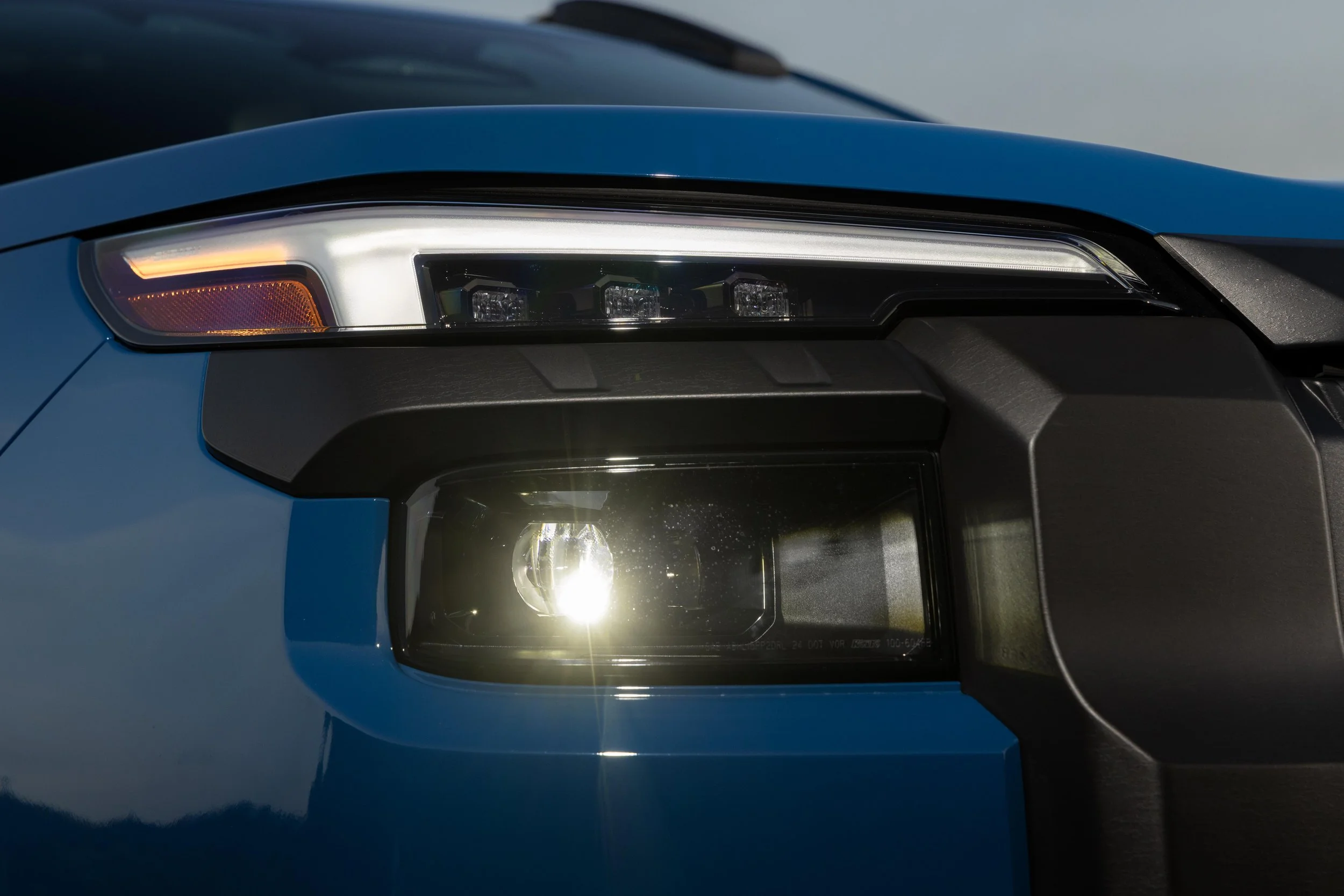
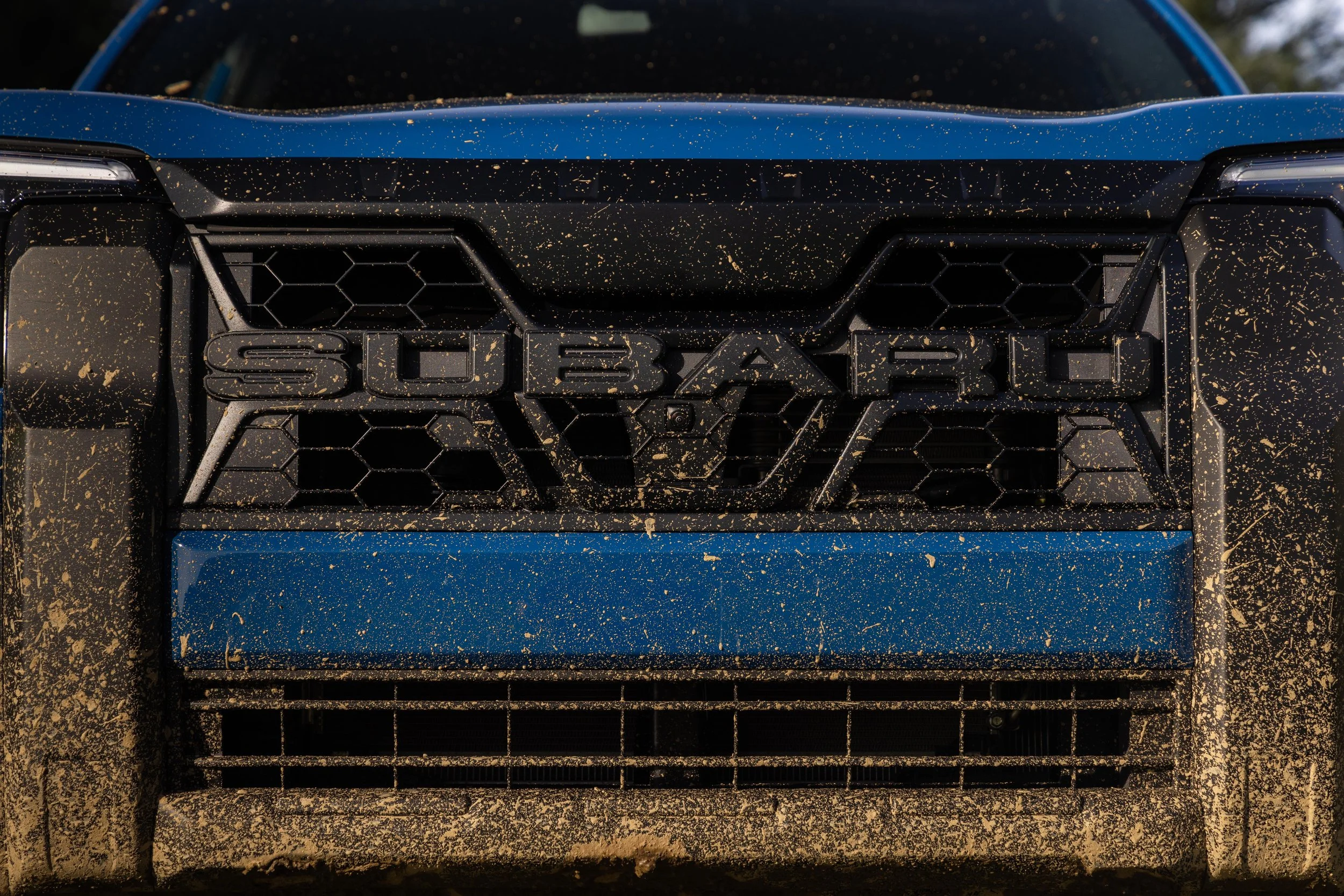
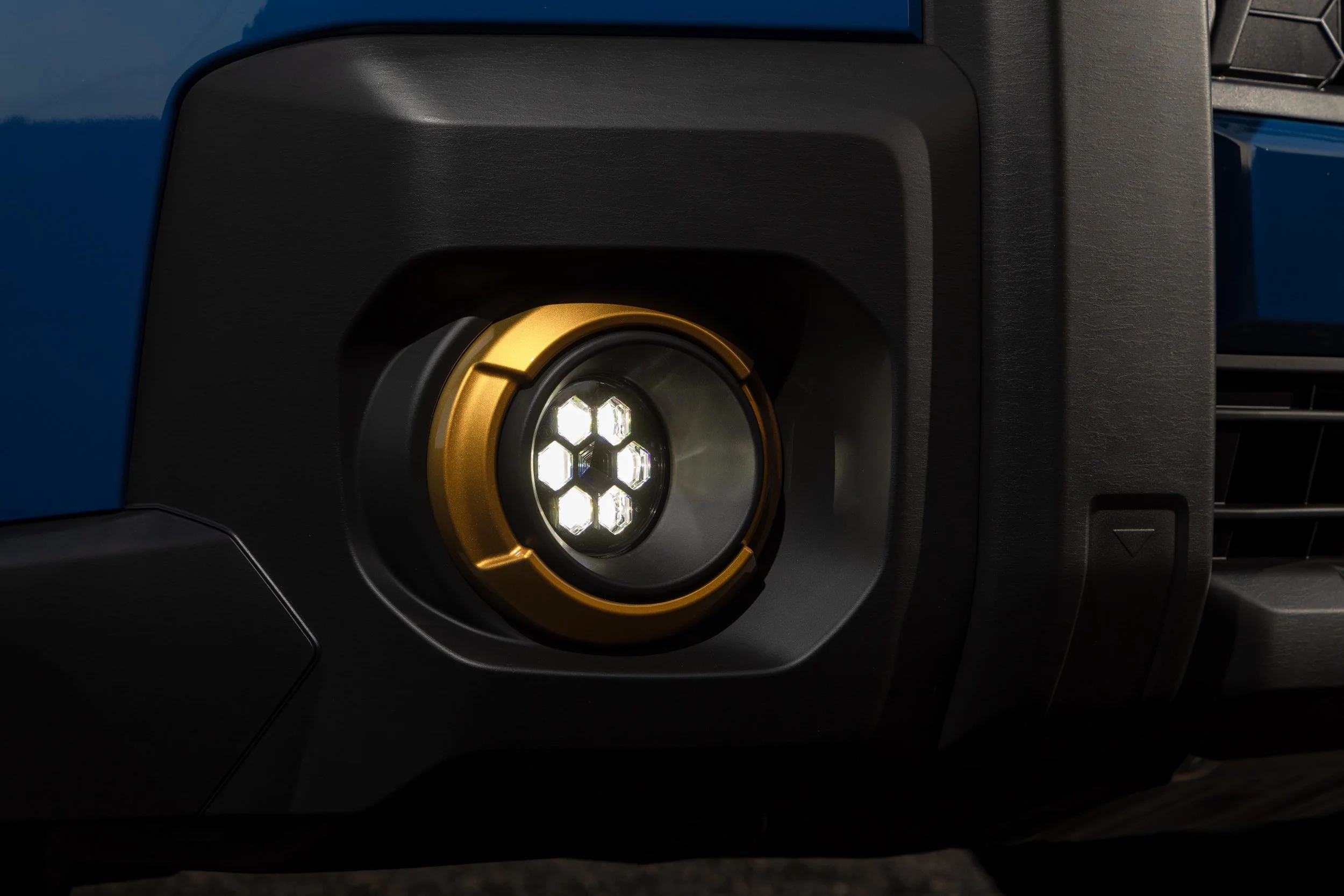
Honestly, my only quibble with the 2026 Subaru Outback Wilderness, beyond the fussy powertrain, is its aggressive styling. The previous generation was handsome and rugged in the best sense of the word. This new one… err, not quite. The passé and annoying split headlight design that everyone now has is in full display here, but combined with the massive hexagonal black front cladding, copper accents, and matte-black hood decal to cut glare, it makes the entire front end look a bit like a transformer on a caffeine bender. The rear is dominated by ruggedized bumper elements, and the tall center greenhouse is so straight that it still looks a little quirky. The best way I can describe it is that it looks like a ruggedized vehicle straight out of Pixar’s Cars.
Ultimately, the 2026 Subaru Outback Wilderness is a conflicting machine. When you zoom out and look at the broader landscape, it comes in significantly cheaper than midsize contenders like the Highlander and Passport while matching or beating them in daily practicality. Its performance stacks up brilliantly, and its packaging genius means it delivers more usable space than compact rivals while thumbing its nose at much bulkier three-row SUVs. It’s a tragedy that Subaru’s quirky marketing department wastes budgets on random dog commercials instead of running a straightforward advertising blitz broadcasting the one truth that matters: this brilliant, non-wagon wagon completely spanks the competition in every real metric that counts to consumers. You must decide whether class-leading rough-road compliance and massive cargo utility outweigh the busy looks and the maddening marriage of the turbo engine and the CVT.